Which is Better Value? Honor 400 vs 8849 Shark 3 Rugged Smartphone Compared
Choosing a new phone often comes down to a mix of lifestyle needs, budget constraints, and practical trade-offs. Two very different propositions on the market illustrate that tension well: the Honor 400, a mainstream, style-conscious option aimed at everyday users, and the 8849 Shark 3 Rugged Smartphone, built for durability and field use. This article compares the two across the categories buyers typically care about — design, durability, display, performance, battery life, cameras, software, connectivity, and real-world suitability — to help readers decide which offers better value for their needs.
Introduction: Two Approaches to Value
Value in a smartphone is not a single metric. For some buyers, value equals sleek design, smooth software, and good cameras. For others, it means a device that survives drops, water, and long periods away from a charger without complaint. The Honor 400 targets the former: a refined user experience at a mid-range price. The 8849 Shark 3 aims at the latter: a robust workhorse with rugged protections and practical outdoor-focused features. This comparison evaluates where each phone shines and where compromises matter most.
Detailed Product Review and Analysis
Honor 400 — Everyday Style and Usability
The Honor 400 represents the mainstream design philosophy: slim profile, lightweight construction, and a display that favors vibrancy and clarity. It is designed for users who prioritize screens for media consumption, responsive day-to-day performance, and a camera system that captures shareable photos with minimal effort. The software experience leans toward a polished user interface with features targeted at consumers: photo modes, gesture navigation, and battery optimization for urban usage.
In practical use, the Honor 400 is comfortable for extended one-handed use, slips easily into pockets, and is well suited to commuting, social media, and streaming video. The display tends to be bright and color-rich, which benefits photography review and video playback. Performance is tuned for the majority of apps and casual gaming; users who occasionally play graphically heavy titles will find the device capable but not uncompromisingly high-end.
8849 Shark 3 Rugged Smartphone — Built for the Outdoors and Tough Jobs
The 8849 Shark 3 is a different breed: it prioritizes toughness and long-term reliability in adverse conditions. Such phones typically feature reinforced frames, thicker housings, and extra seals against water, dust, and shock. They cater to professionals in construction, field service technicians, outdoor enthusiasts, and anyone who needs a phone that keeps working after drops, exposure to weather, or when left in a backpack during a hike.
In day-to-day terms, the Shark 3 is heavier and bulkier than mainstream phones — a trade-off for its protective casing and larger battery capacity. Buttons may be physical and programmable for quick access to flashlight, push-to-talk, or SOS functions. The camera system usually focuses on durability and documentation rather than high-end photography; it captures readable evidence and landscapes but does not compete with the image processing of consumer-focused flagships. Where the Shark 3 often stands out is battery life, port resilience, and the availability of outdoor navigation and sensors.
Pros & Cons
Honor 400
- Pros: Sleek, lightweight design that’s pocket-friendly and visually appealing.
- Pros: Vibrant display and generally pleasant media consumption experience.
- Pros: Polished software experience and useful consumer features for photography and daily tasks.
- Cons: Less protective against drops, dust, and water compared with rugged phones.
- Cons: Battery life may be adequate for a day of normal use but can be limiting for extended outdoor periods without charging.
- Cons: Not optimized for heavy-duty fieldwork or harsh environments.
8849 Shark 3 Rugged Smartphone
- Pros: Strong physical protection against drops, water ingress, and harsh environments.
- Pros: Long battery life that supports extended time away from chargers.
- Pros: Practical, field-oriented features such as programmable buttons and robust ports.
- Cons: Considerably heavier and thicker — less comfortable for everyday pocket carry.
- Cons: Camera and display often trade image quality and finesse for durability.
- Cons: Aesthetic and software polish may be less refined than mainstream consumer models.
Comparison Table
| Category | Honor 400 | 8849 Shark 3 Rugged Smartphone |
|---|---|---|
| Design & Build | Slim, lightweight, consumer-oriented finish | Thick, reinforced frame with protective bumpers |
| Durability | Standard water/dust resistance (varies by model) | High-level ruggedization for drops, water, dust |
| Display | Vibrant, high-contrast screen for media | Practical, readable in sun; may sacrifice color finesse |
| Performance | Smooth for daily tasks and casual gaming | Adequate for field apps; not tuned for high-end gaming |
| Battery | Good for daily urban use | Larger capacity; optimized for long outings and shifts |
| Cameras | Consumer-friendly, good for social sharing | Functional for documentation; less emphasis on aesthetics |
| Software & Updates | Polished UI with consumer features; update cadence varies | Utility-focused UI; update cadence varies by maker |
| Connectivity & Extras | Modern wireless features for everyday use | Often includes PTT, SOS, and extra sensors for outdoor tasks |
| Best for | Commuters, casual photographers, media consumers | Field workers, outdoor enthusiasts, industrial use |
Real-World Use Cases
Understanding how each device performs in specific contexts helps define value.
Commuters and Urban Users
For those who spend most of their time in urban environments — commuting, working in offices, or socializing — the Honor 400 delivers more perceived value. Its lighter weight and better screen make it more pleasant for reading, streaming, and capturing everyday life. The phone fits into a pocket or small bag easily and is less fatiguing to carry throughout the day.
Outdoor Workers and Field Technicians
The 8849 Shark 3 becomes the rational choice for professionals on job sites, technicians who need a device that survives being dropped on concrete, or anyone exposed to consistent moisture and dust. The rugged device reduces the risk of costly replacements or downtime and often has features that help with navigation, emergency signaling, or quick photo documentation under adverse conditions.
Find top-rated Mobile Phones products at great prices.
Shop Amazon →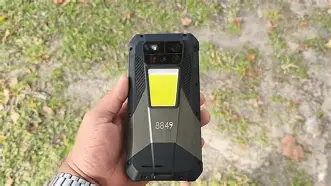
Travel and Extended Trips
Travelers who plan long outdoor excursions — multiday hikes, remote work trips, or areas with unreliable power — will appreciate the rugged phone’s battery endurance and survival-focused design. For city-based travel where access to charging is frequent, the Honor 400’s compactness and media-friendly features may be a better match.
Photography and Content Creation
Casual photographers and those creating social media content benefit more from the Honor 400’s consumer-centric camera processing and display. The 8849 Shark 3 can document scenes clearly for records and reporting, but it is not optimized for low-light artistry or the refined software enhancements that casual content creators expect.
Buying Guide: How to Decide Which Is Better Value
When comparing these two approaches, buyers should weigh practical priorities: portability vs protection, polished features vs resilience, and daily convenience vs long-term reliability.
1. Define Primary Use
If the phone will live mostly in pockets and purses and be used for messaging, social media, streaming, and occasional photography, the Honor 400 is likely the better value. If work involves harsh environments, heavy manual labor, or extended time away from power, the Shark 3’s ruggedization will pay dividends.
2. Consider Weight and Portability
Rugged phones are heavier. If frequent pocket carry or one-handed use is essential, prioritize a lighter device. If weight is acceptable in exchange for protection and battery life, a rugged phone is preferable.
3. Battery Expectations
Think about how long between charges is realistic for daily life. For typical day-to-day use with nightly charging, mainstream phones suffice. If the user needs multi-day autonomy or cannot reliably access a charger, a rugged phone with larger battery capacity is a practical choice.

4. Camera Needs
Buyers who prioritize polished photos and social media-ready images should favor consumer models. If the camera is for documentation — legible shots of labels, forms, or scenes — a rugged phone is appropriate.
5. Repairability and Longevity
Rugged phones often accept damage better, reducing the repair frequency or the severity of failure. However, mainstream phones may have wider availability of service centers and parts depending on the brand and market. Consider the local service ecosystem and warranty terms.
Shop the latest Mobile Phones picks on Amazon.
View Offers →6. Software and Updates
Regular software updates and security patches are important for long-term device safety. Verify the manufacturer’s update policy where possible. A cleaner, regularly updated UI is part of long-term value for mainstream users; for rugged-phone buyers, stability and vendor support for field-oriented features matter more.
7. Budget and Total Cost of Ownership
Analyze not just the purchase price but expected lifespan and potential repair or replacement costs. A rugged phone may cost more upfront or present fewer premium features for the price, but if it avoids a broken screen and phone downtime, it can be more economical over time for certain users.
8. Hands-On Considerations
Whenever possible, handle both phones in person. Feel the weight, test the display comfort, try typing for a few minutes, and open the camera app. For rugged phones, check for seal integrity, the feel of physical buttons, and how the phone responds to being used while wearing gloves if that is relevant.
Practical Tips Before Purchase
- Read real user reviews from people with similar use cases — construction workers, hikers, commuters — to see what lasts and what fails.
- Check warranty details and the availability of certified service centers in the buyer’s region.
- Consider accessories: rugged cases for mainstream phones or protective screen films for heavy users; replacement batteries or power banks for travelers.
- Evaluate connectivity requirements: if frequent GPS navigation or NFC payments are essential, confirm those capabilities and their reliability in real-world scenarios.
- Think about ergonomics: larger batteries and rugged housings increase size; ensure the device fits the intended carry and usage patterns.
Conclusion
Value is defined by the needs the phone must meet. The Honor 400 delivers strong value to users who prioritize a refined, lightweight experience with a vibrant display and consumer-focused camera and software features. It is well suited to daily urban life, media consumption, and casual photography.
The 8849 Shark 3 Rugged Smartphone offers a different kind of value: durability, resilience, and extended battery life for people who work or recreate in demanding environments. For users whose priorities include minimizing downtime, avoiding screen breaks, and carrying a phone that endures weather and rough handling, the rugged phone is the better investment.
Ultimately, buyers should map their day-to-day realities against the trade-offs. For pocketable comfort and polished user experience, the Honor 400 wins on perceived everyday value. For reliability under stress and long stretches away from power or shelter, the 8849 Shark 3 Rugged Smartphone represents superior practical value. Choosing the right phone comes down to matching the device’s strengths to the user’s lifestyle.