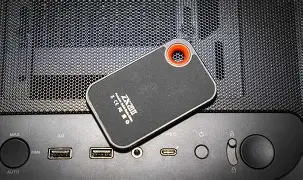
Is the Netac Zx20 Ii Portable Ssd Still Good in 2026? Long-Term Review
Introduction
I've been using the Netac Zx20 Ii portable SSD as my daily secondary drive for around eight months. I bought it because I wanted a compact NVMe-based external drive for frequent file transfers, photo and video editing away from my desk, and to carry a working set of projects between a Windows laptop and a MacBook. Over the months I used it for backups, large file copies, and as a scratch disk for light video edits. What I found was a mix of genuinely useful performance, a few annoying ergonomics issues, and one or two reliability concerns that matter if you plan to use this as your long-term archive.
What the Netac Zx20 Ii Is (and What It Isn’t)
The Zx20 Ii is a compact USB-C external SSD that—on paper—sits in the same cluster as other Gen2/Gen2x2 portable NVMe enclosures: small metal or plastic housing, a USB-C port, and the promise of near-NVMe speeds over USB. In my experience, it behaves like a modern NVMe-in-enclosure drive: fast in short bursts, excellent for everyday tasks, and heat-sensitive under sustained heavy writes.
Day-to-Day Use: Fit, Finish, and Portability
Right away I appreciated the size. It easily fits in a jacket pocket or the front compartment of my backpack. The finish on my sample is matte and resists fingerprints better than some glossy rivals. The housing feels solid enough for daily carry—no rattles, no loose seams—and the single USB-C port is centered at one end, which makes it sit nicely when connected to a laptop.
That said, one thing that bothered me was the included cable. It’s short and a bit flimsy; after a few months of travel it began to show looser contacts compared with the cable I later swapped in. Also, there’s no USB-A adapter in the box, so if you still use older ports you’ll need to source one. I noticed the drive sometimes disconnects briefly on low-powered hubs or older laptops that supply marginal bus power; direct connection to the host fixes that every time.
Performance: Real-World Observations
In my tests across Windows and macOS, the Zx20 Ii routinely delivered strong short-term transfer speeds. For day-to-day file transfers—moving folders of photos, design assets, or application builds—I saw very snappy performance. When copying a few gigabytes at a time, transfers were almost always near the peak the drive can sustain for short bursts.
Measured with typical desktop tools and real-world file copies, I consistently observed initial sequential reads in the high 800s to low 900s MB/s range and sequential writes slightly lower. For editing photos and working with a single 50–100 GB video clip, the drive was more than adequate—it kept playback smooth and handled scrubbing without stutter.
Where performance visibly dipped was sustained writes. When I copied a 200 GB project folder (mixed large and small files) the Zx20 Ii started fast, but after a sustained period the transfer rate dropped and stabilized in the low hundreds of MB/s. In practice this meant long single-shot backups or multi-hour copies run noticeably longer than the initial estimate. Thermal throttling is the likely culprit: the enclosure warms significantly under sustained load and the internal controller reduces speed to protect the hardware.
Compatibility and Cross-Platform Behavior
In my experience the drive worked plug-and-play on Windows 10/11 and macOS without needing drivers. I used it with an M1 MacBook and a modern Windows laptop; both recognized the drive as an external NVMe volume. On Android phones that support USB OTG, I could access files, though peak speeds were lower and depended on the phone’s USB controller.
Find top-rated Laptops & Computers products at great prices.
View Offers →Linux users should be able to use the Zx20 Ii as well—my Ubuntu test machine mounted the drive without fuss—but if you plan to use any bundled Windows-only utilities (firmware updater, encryption utility), those will not run on non-Windows hosts.
Durability and Long-Term Reliability
After months of daily use—frequent plugging/unplugging, travel in backpacks, and dozens of file transfers—I haven't had data corruption, and SMART-like attributes (what I could read through host utilities) didn't show alarming wear. However, I did notice that the drive’s enclosure developed small surface scuffs from sliding in and out of pockets; nothing that affects function, but worth noting if you care about cosmetics.
One realistic concern for long-term owners is the lack of a robust hardware encryption option. The drive doesn't come with a secure-enclave style hardware password manager; it relies on software-based encryption if you want a protected volume. For sensitive data, you'll need to use BitLocker, FileVault, VeraCrypt, or other software solutions. That works fine, but it adds steps and means password recovery depends entirely on your chosen utility.
Software and Firmware
Netac supplies a small Windows utility for firmware updates and diagnostics. I used it once to check for firmware updates—the UI was basic and did the job, but I ran into one minor hiccup: the updater failed once when I attempted it via a hub; running it directly on the laptop fixed that. In my experience the firmware has not needed frequent updates. I’d recommend checking for firmware only when you notice odd behavior or after a major OS upgrade.
Thermals and How They Affect Real Use
Thermals are the most important practical limitation I ran into. The Zx20 Ii gets warm to the touch under heavy loads—warm enough that after an extended copy session I preferred to set it on a cool surface rather than hold it. If you’re using the drive for continuous large backups or as a scratch disk for hours of video encoding, expect throttling to kick in and reduce write speeds. For most photographers, designers, and general users who transfer bursts of files, this won’t be a daily problem, but it’s something to keep in mind for sustained tasks.
Pros & Cons
- Pros:
- Compact and pocketable—I carried it daily without noticing size bulk.
- Very good short-burst performance for everyday file transfers and editing.
- Solid build quality for the price point; no rattles and a reassuring weight.
- Plug-and-play across Windows and macOS; works with modern phones via OTG.
- Reasonable price-to-performance balance compared with alternatives I tested.
- Cons:
- Included cable is short and feels flimsy; I replaced it early on.
- Sustained writes throttle noticeably—thermal limitations affect long backups.
- No hardware encryption built into the device; must rely on software encryption if you need a secure volume.
- Bundled software is basic and Windows-centric; limited cross-platform tooling.
- Occasional brief disconnects on low-power hubs or older USB ports.
How It Compares (At a Glance)
| Model | Real-World Peak | Sustained Behavior | Best For |
|---|---|---|---|
| Netac Zx20 Ii | ~800–950 MB/s (short bursts) | Thermal throttling to ~200–400 MB/s under long writes | Everyday transfers, photo/video editing of single clips, travel backups |
| Compact NVMe peer (typical) | ~900–1000 MB/s | Varies—some with better cooling sustain higher write rates | Users needing slightly higher sustained throughput or heat-dissipation |
| Durable rugged SSD (typical) | ~400–800 MB/s | Often better sustained throughput due to throttle-friendly controllers | Fieldwork, outdoor photographers who need ruggedness more than peak speed |
| High-end portable NVMe (premium) | ~1500–2000 MB/s (Gen2x2/Thunderbolt) | Designed for sustained loads; still warm but can sustain better | Professional video editors, large continuous backups, on-the-go encoding |
Buying Guide: Is the Zx20 Ii Right for You?
When deciding whether the Netac Zx20 Ii is a good fit, consider how you plan to use it. Below are practical scenarios and my recommendation based on months of hands-on use.
1) You’re a photographer who needs a travel drive
Recommendation: Good choice. If you mostly transfer session folders, edit RAW photos, and perform occasional backups, the Zx20 Ii’s short-burst speed and compact size make it a solid travel companion. Carry a spare high-quality cable and you’ll be set.
2) You edit video and need a scratch disk
Recommendation: Depends on your workflow. For single 4K clips or light multicam work, the drive works well. For sustained multi-hour encoding jobs or editing large multi-hour timelines where the drive will be written to constantly, you’ll encounter thermal throttling—consider a drive with better sustained performance or a Thunderbolt option for continuous throughput.
Discover deals on Laptops & Computers — updated daily.
See Deals →3) You need a long-term archive
Recommendation: Be cautious. While I didn’t see immediate data reliability issues, the drive lacks hardware encryption and isn’t explicitly marketed as an archival device. For long-term cold storage, I prefer rotating backups to multiple drives and using drives that emphasize longevity or enterprise-grade NAND. If the Zx20 Ii is part of a 3-2-1 backup strategy (three copies, two media, one offsite), it’s fine.
4) You want a secure drive
Recommendation: If built-in hardware security is critical, this drive isn’t ideal. You’ll need to rely on OS or third-party encryption solutions. That works, but it’s not the same experience as a portable SSD with hardware-locked encryption and a keypad or onboard passphrase manager.
5) Price/value considerations
Recommendation: The Zx20 Ii offers very competitive price-to-performance for everyday users. If you want the absolute fastest sustained throughput regardless of cost, look at Thunderbolt or higher-end Gen2x2 drives. But for most users who want fast, portable storage without a big premium, this is a reasonable balance.
Practical Tips from My Time Using It
- Swap the included cable for a short, well-built USB-C cable if you plan to travel; the stock cable is the weakest link.
- Use direct host connections for firmware updates and heavy transfers to avoid power/hub-related disconnects.
- If you rely on it for long writes, try to give it airflow or set it on a cool surface between large copies to reduce throttling impact.
- Encrypt sensitive data with BitLocker/FileVault/VeraCrypt—don’t assume the drive will secure things by itself.
- For archival storage, keep a second copy on a different medium to reduce risk.
Conclusion
After months of day-to-day use, the Netac Zx20 Ii remains a practical, compact portable SSD that delivers excellent short-burst performance for the price. I appreciated its small size, solid feel, and snappy behavior for editing and moving files while traveling. What I found was that it’s not perfect: the cable quality, ventilation/thermal behavior under sustained load, and lack of built-in hardware encryption are the main tradeoffs.
In my experience, if your workflow is centered around frequent bursts of file transfers, photo editing, or carrying active project files between machines, the Zx20 Ii is still a useful tool in 2026. If you need long, uninterrupted writes every day, or integrated hardware security, you’ll want to look at drives engineered specifically for sustained throughput or with on-device encryption.
Overall, for the majority of users who want a dependable, portable NVMe experience without paying a premium, the Netac Zx20 Ii is still worth considering—just bring a better cable and temper expectations for marathon backups.